The Impact of Sun Exposure on Skin Ageing and Treatment Options
I’m sure all of us understand the importance of wearing sunscreen. Whether or not we abide by that rule is another thing, but truth be told, excessive sun exposure has detrimental effects on our skin, being the leading cause of premature aging and skin cancer.
Sun damage is the number one catalyst that accelerates the skin’s normal ageing process (stage one sun damage). When sun damage gets more severe (stage two sun damage), it results in symptoms of its own, which look a bit like part of the normal ageing process but actually aren’t. In other words, stage two sun damage would not occur without UV exposure. Damage such as:
Solar Lentigines aka ‘Age Spots’,
Overgrown Blackheads, aka Solar Comedones,
Scaly Patches known as Actinic Keratoses, and
Leathery Thickened Skin, aka Solar Elastosis
Stage three sun damage includes the above and also puts you at increased risk of skin cancer. So, please look after your skin, wear sunscreen and make sure you never get to stage three. Using a broad-spectrum SPF of at least 30 every day, can protect your skin from harmful UV rays. You don’t need to be basking in the summer sun to suffer UV damage—harmful rays can affect your skin year-round, even on cloudy days.
From the appearance of wrinkles and fine lines to pigmentation and sagging, the cumulative effects of sun damage are the leading cause of premature ageing, also known as photoaging. So, let’s discuss how sun exposure accelerates skin ageing, the steps you can take to protect your skin and how to optimise the results of cosmetic treatments.
How does Sun Exposure Contribute to Skin Ageing?
The sun damage we’re talking about here is the change in your skin cells caused by ultraviolet radiation from the sun – the notorious UVA and UVB rays. The sun’s UVA rays penetrate deep into the skin, leading to the breakdown of collagen and elastin. The UVB rays primarily affect the outer layers, causing burns and pigmentation issues. For those interested, here are a couple of fun science facts:
UV exposure – even just a little bit – results in increased levels of an enzyme in the body called matrix metalloproteinase-1 (aka MMP-1), which is a primary factor in the breakdown of collagen. In general, the ageing process is marked by a number of symptoms which can all be traced back to the breakdown of collagen. So, by exposing your skin to the sun, it’s going to hurry up the onset of older-looking skin.
Your skin hydration levels drop. Sun damage causes a decrease in glycosaminoglycans. (aka GAGs) This is the family of molecules that includes our old friend and skincare stalwart, hyaluronic acid. These molecules are famed for keeping your skin hydrated as well as cross linking with collagen and elastin to make your skin firm and taut. Skin that has aged without sun exposure contains low levels of GAGs. UV exposure will get you to that same state, but much faster.
This daily damage, leads to the key signs of photoaging such as:
Wrinkles and fine lines: The breakdown of collagen and elastin caused by UVA rays leads to the formation of wrinkles and loss of skin elasticity.
Hyperpigmentation: Sunspots, age spots, and freckles often develop as a result of prolonged sun exposure.
Uneven skin tone and texture: Sun damage can cause rough, uneven skin, leading to a dull complexion.
Sagging skin: The loss of collagen and elastin also causes skin to lose its firmness and start to sag, particularly around the cheeks, jawline, and neck.
While natural ageing plays a role in these changes, studies show that up to 80% of visible skin ageing is caused by sun exposure. Protecting your skin from harmful UV rays is one of the most effective ways to slow the ageing process and protect against skin cancer.
Essential tips for safeguarding your skin from harmful UV rays:
Use Sunscreen Daily Wearing a broad-spectrum sunscreen with an SPF of at least 30 is a must, even on cloudy days. Don’t forget your lips which are often overlooked when it comes to sun protection. Amorsui Medical Aesthetics recommends ESK Zinc Shade Mineral UV Protection as your ideal go-to for sun protection and skin health. With anti-inflammatory and anti-bacterial benefits, Zinc Shade also supports acne-prone and sensitive skin, like rosacea and eczema.
Avoid Sun Exposure During Peak Hours If possible, avoid the sun between 10 a.m. and 4 p.m when the sun’s rays are at their strongest.
Wear Protective Clothing Wearing clothing that covers your skin, including wide-brimmed hats and sunglasses, provides an additional layer of protection. Fabrics with a tight weave and dark colours offer the best protection against UV rays.
Maintain a Consistent Skincare Routine Incorporating antioxidants, such as vitamin C, into your skincare routine can help combat the effects of free radicals caused by sun exposure. Using moisturisers and serums with collagen-boosting ingredients can also support skin repair and rejuvenation.
Choosing the Right Sunscreen
More and more people are starting to choose mineral-based, also called physical, sunscreens, such as ESK Zinc Shade. The move towards mineral sunscreens is driven by several key factors that appeal to health-conscious and eco-aware consumers alike.
Health Concerns Studies have raised concerns about the potential hormone-disrupting effects of certain chemical sunscreen ingredients like oxybenzone and octinoxate. These compounds can penetrate the skin and enter the bloodstream, leading many consumers to seek safer alternatives. Mineral formulas use ingredients like zinc oxide and titanium dioxide to form a physical shield on the skin, which reflects harmful UVA and UVB rays, making them much less likely to cause irritation or systemic absorption.
Skin Sensitivity For individuals with sensitive, acne-prone, or reactive skin, mineral sunscreens offer a gentler alternative. Their non-comedogenic properties and lack of irritating chemicals make them suitable for all skin types, including those with conditions like rosacea or eczema.
Environmental Impact Many popular ingredients in chemical sunscreens have detrimental effects on marine ecosystems, particularly coral reefs, even prompting bans in eco-sensitive areas like Hawaii and Palau. Mineral sunscreens, free from these harmful substances, are increasingly recognised as a reef-safe option. Mineral sunscreens tend to use naturally derived ingredients, and many brands are committed to using eco-friendly and non-toxic formulations, reducing the potential for environmental contamination and promoting sustainability.
How can I get rid of sun damage?
Unfortunately, there’s no way of actually turning back the clock.
However, you can definitely slow down the progress of systemic photoageing by using good skincare and appropriate tweakments.
Can I help my sun damaged skin with skincare?
Your skin is constantly trying to undo the damage wrought by UV radiation, so effective skincare will certainly be a welcome helping hand, and these are the ingredients you want to be using to give your skin the best chance of recovering from the sun and preventing future damage:
Sunscreen – ideally a mineral sunscreen to protect your skin from further sun damage.
An anti-pigmentation serum – to improve patchy pigmentation, reduce the visibility of age spots, and to give you a more even complexion.
Vitamin C antioxidant serum – to help your skin protect against or even reverse environmental damage.
Hyaluronic acid – to help hydrate the outer layers of the skin, which in turn improves the function of the skin and helps strengthen the skin barrier.
Retinal – more effective than Retinol, and as effective as retinoic acid without the side effects – making it the most effective and well tolerated form of Vitamin A. Vitamin A crops up for so many reasons in skincare, because it improves so many ways in which the skin functions, from boosting collagen production to reducing pigmentation and making old, sluggish skin cells behave like more energetic younger ones.
Amorsui Medical Aesthetics recommends ESK skincare products for all your skin concerns.ESK is a premium Australian skincare brand with a strong mission to create products that are evidence based, effective, easy to use and ethical.
What tweakments can help with sun-damaged skin?
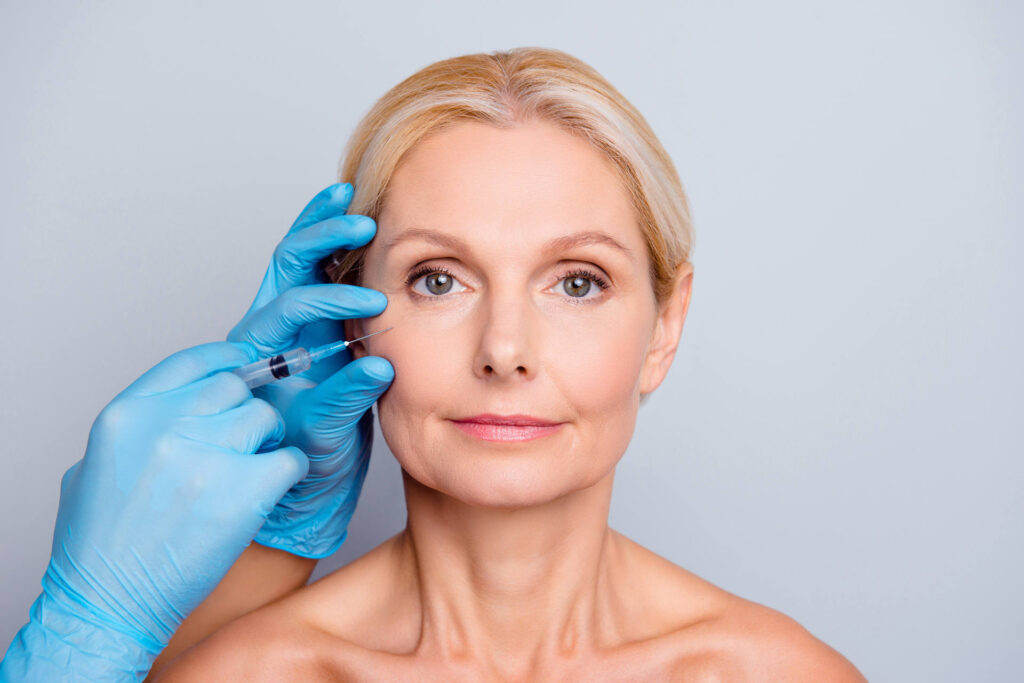
If your skin has already suffered from sun damage, there are treatments available to help improve the signs of photoaging
Hydration and Antioxidant Treatments: Injectable moisturisers and polynucleotides such as Profhilo, skinboosters and Polyphil Sun damage prevents your skin from retaining water, so the skin becomes dehydrated, sometimes several layers down. We call this hyaluronic acid or glucosaminoglycan depletion, and injectable moisturisers can help. Made up of specially formulated hyaluronic acid, injectable moisturisers flood the area with precious hyaluronic acid molecules. These attract and hold water, improving hydration. Furthermore, as part of the wider range of glycosaminoglycans, hyaluronic acid plays a formative role in the production of collagen and elastin. Polynucleotides such as Polyphil, also stimulate collagen production, and combined with skinbooster treatments can be particularly effective. Proper hydration also slows the rate at which your skin wrinkles as a result of sustaining sun damage.
Microneedling and radiofrequency microneedling: Whether solo or enhanced with radiofrequency, microneedling stimulates the production of collagen, the main protein that gives your skin its structure. Increasing collagen production can help your body repair your sun-damaged skin. Combining microneedling with topical mesotherapy serums that target pigmentation or texture, a pure hyaluronic acid serum, exosomes or a Biorepeel chemical peel, will enhance the effects.
Chemical Peels: Chemical peels exfoliate the damaged outer layers of skin, revealing smoother, more even-toned skin beneath.
Laser Skin Resurfacing: Laser treatments can target hyperpigmentation, sunspots, and fine lines caused by sun exposure, helping to restore a more youthful complexion.
Conclusion
Sun exposure plays a significant role in skin ageing and can diminish the results of cosmetic treatments. By protecting your skin with sunscreen, avoiding harmful UV rays, and maintaining a consistent skincare routine, you can slow the ageing process and keep your skin looking more youthful. For those already experiencing sun damage, treatments like injectable moisturisers and polynucleotides, chemical peels, laser resurfacing, and microneedling can help rejuvenate the skin and restore some of its vitality.